

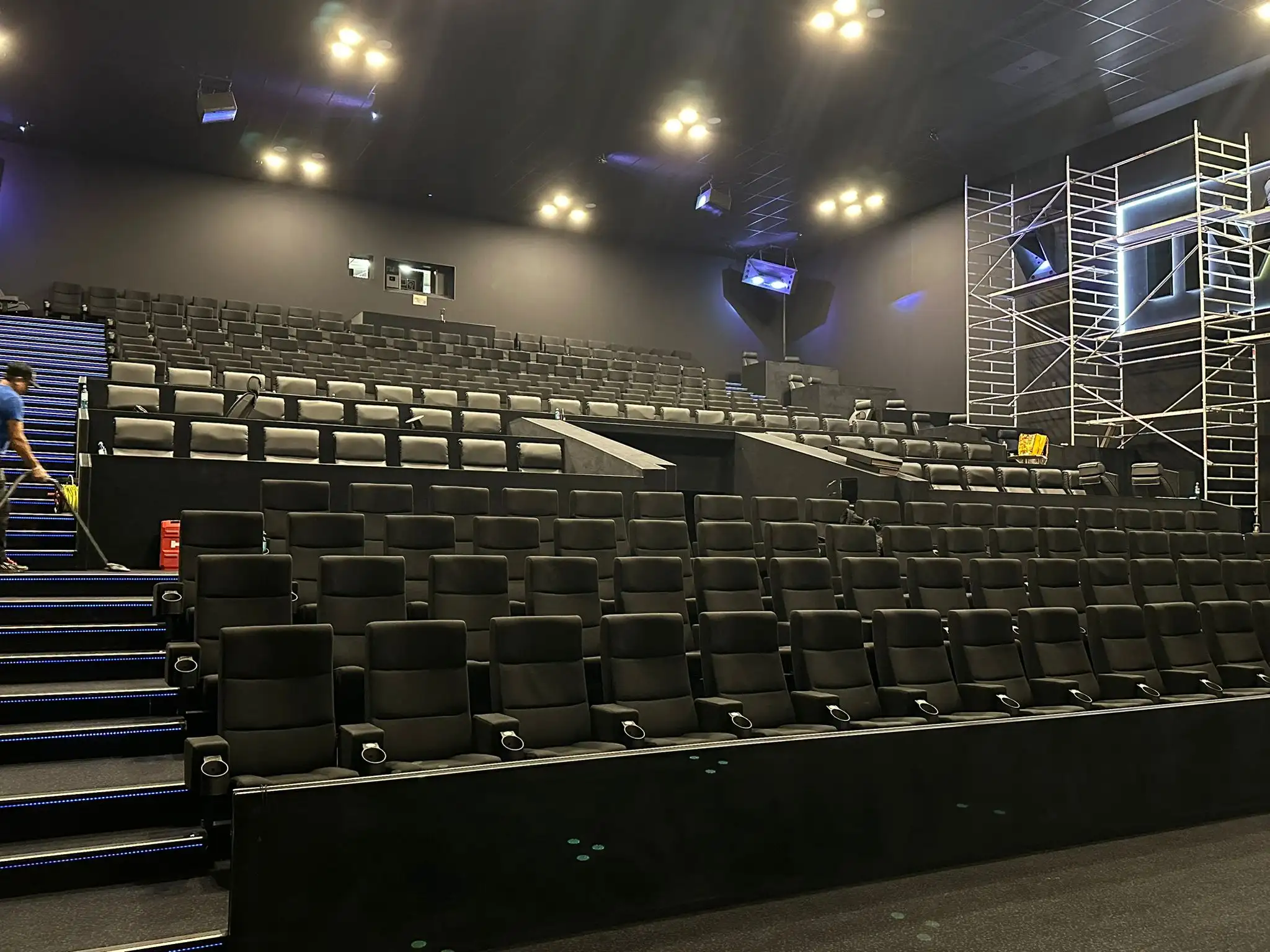
Cinema Seating for Premium Environments
How Seating Quality Defines the Success of Modern Cinema Halls
Cinema seating is one of the most decisive elements in creating a successful cinema environment. While projection and sound systems are essential, seating determines how comfortable, engaged, and satisfied the audience remains throughout the entire experience. A well-designed seating system supports both user comfort and long-term operational efficiency.
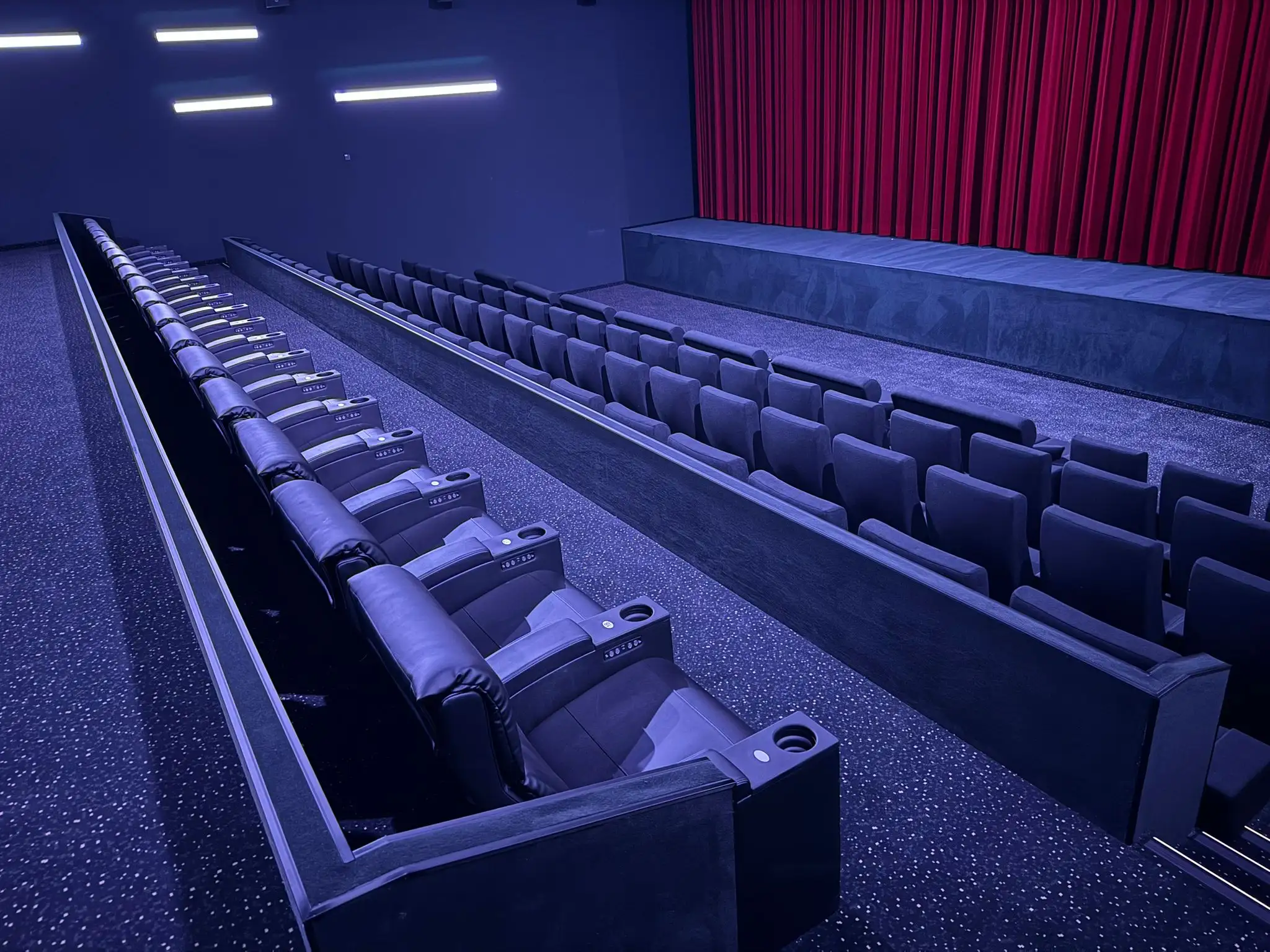
In modern cinema halls, seating is no longer just a functional requirement. It is a key factor that shapes the overall perception of quality. From the moment a viewer sits down, the seat begins to influence posture, comfort, and attention. If the seating is poorly designed, discomfort becomes noticeable within minutes. On the other hand, a well-engineered seat allows the viewer to focus entirely on the film without distraction.
Ergonomics is at the core of high-quality cinema seating. The angle of the backrest, the depth of the seat, and the density of the foam must be carefully balanced. These elements work together to support the natural posture of the body and reduce pressure points. This is especially important in cinema environments where viewers remain seated for long periods.
Material selection plays a critical role in both performance and safety. Upholstery materials such as fabric, artificial leather, and genuine leather must be durable and easy to maintain. One of the most important technical requirements is flame-retardant performance. In enclosed public spaces like cinemas, flame-retardant materials help slow the spread of fire and ensure compliance with safety regulations.
Durability is another essential factor. Cinema seating is exposed to continuous use, and weak structures can quickly lead to deformation and instability. High-quality seating systems are built with reinforced metal frames and high-density foam that maintains its shape over time. This ensures consistent comfort and reduces maintenance costs.
Mechanism performance is particularly important in foldable seating systems. Smooth and silent operation is necessary to maintain a distraction-free environment. Noisy or unstable mechanisms can negatively impact the viewing experience and reduce the perceived quality of the cinema.
In addition to comfort and durability, flexibility in design is crucial. Cinema halls vary in size and layout, and seating systems must be adaptable. Customizable options in terms of dimensions, materials, and accessories allow operators to create tailored solutions that match their specific project requirements.
From a business perspective, seating has a direct impact on customer satisfaction and repeat visits. Comfortable and well-maintained seating encourages audiences to return, while poor seating can lead to negative impressions. Investing in high-quality seating is therefore not only a design decision but also a strategic one.
Maintenance efficiency is another important consideration. Seating systems that are easy to clean and resistant to wear help reduce operational workload. In high-traffic cinemas, this becomes a significant advantage.
Visual design also contributes to the overall atmosphere of the cinema. Clean lines, high-quality finishes, and consistent color schemes create a professional and inviting environment. This visual quality enhances the overall perception of the venue.
Ultimately, cinema seating must deliver a balance of comfort, safety, durability, and design. When these elements are properly combined, the seating system becomes an invisible but essential part of the cinema experience.
Modern cinema halls rely on seating solutions that perform reliably over time while enhancing user satisfaction. Choosing the right seating is not just about filling a space, but about creating an environment where audiences can fully enjoy the experience.
Created By : Simko Cinema Seating